Tradition
The History, Facts & Tradition of Glögg
From spiced wines in antiquity to the Swedish advent table – how glögg became the unmistakable scent of Christmas.
A short summary
Glögg is essentially a warm, sweetened and spiced drink traditionally made with wine. Swedish glögg – often called Swedish mulled wine – is closely tied to advent and Christmas, but it belongs to a much larger international family of warm spiced winter drinks. The word glögg comes from the verb glödga, meaning "to heat up" or "to mull".
From antiquity to the Nordics
Glögg's roots stretch far back in history. As early as antiquity, the Greeks and Romans spiced their wine – for flavour, to mask flaws in the wine, or because spices were believed to have beneficial properties. The tradition lived on through the Middle Ages in Europe, where spiced wines became part of feasts, festivities and upper-class life.
In Sweden, glögg has clear predecessors in drinks such as hypocras, claret and other spiced wines. King Gustav Vasa is associated with a claret made from Rhine wine, sugar, honey and spices such as cinnamon, ginger, cardamom and cloves. King Erik XIV is also linked to spiced wine drinks, including lutendrank (a spiced honey-wine drink).
When did glögg become a Swedish Christmas tradition?
Although spiced wine had been drunk for centuries, glögg only became a true Swedish Christmas tradition during the 19th century. Sugar, spirits and spices became more accessible, and wine merchants began selling their own ready-made glögg blends ahead of Christmas. Bottles and labels often featured Christmas motifs, which strengthened the link to the holiday. By the late 1800s, glögg was firmly established as a winter, advent and Christmas drink.
Where does the word "glögg" come from?
Originally people spoke of glödgat vin ("mulled wine"). This could mean that wine was warmed and spiced, but also that sugar was melted into the drink – sometimes by igniting sugar and spirits and letting them drip into the wine. The linguistic development can be summed up simply: glödga → glödgat vin → glögg.
What exactly is glögg?
The most common Swedish glögg is made with red wine, but there is also white glögg, fortified-wine glögg, spirit-based glögg and alcohol-free glögg. Alcohol-free versions can be based on alcohol-free wine, must, juice, berry cordial or another fruit base. Classic red glögg tends to have a rich, sweet and spicy flavour profile, while white glögg is lighter and fruitier.
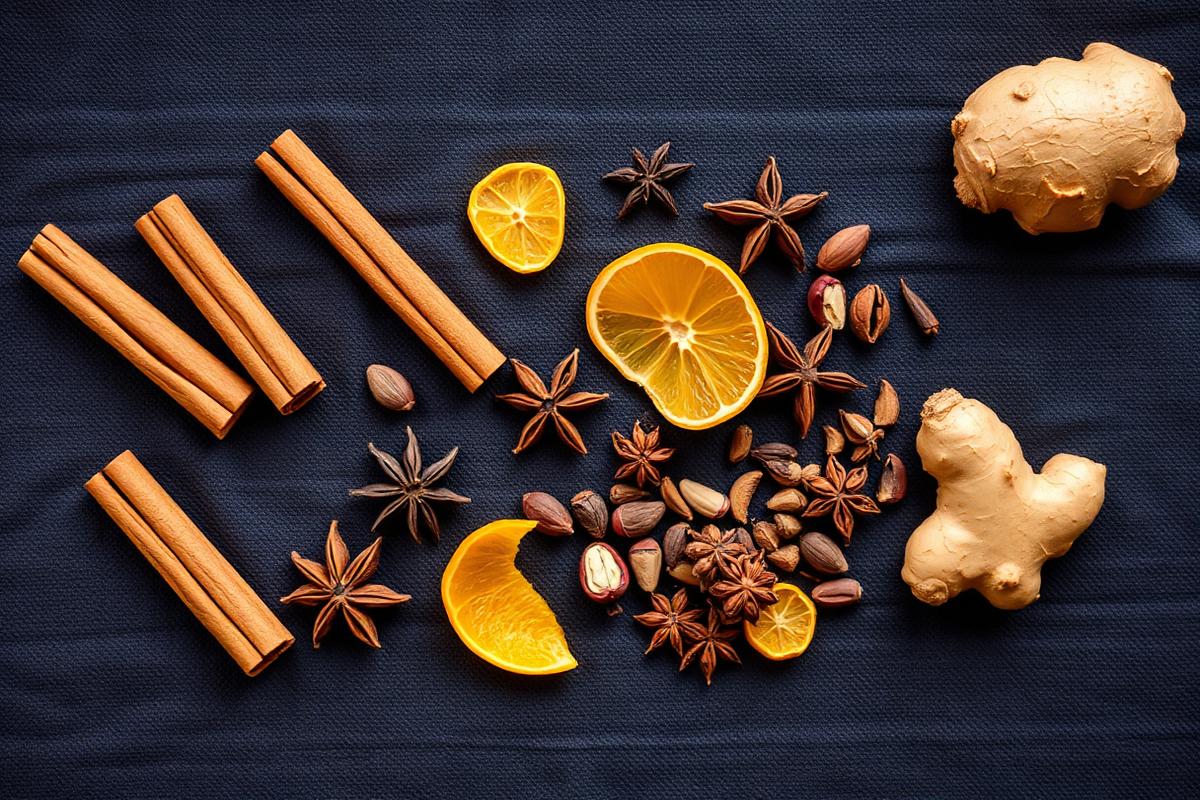
Classic glögg spices
- Cinnamon – the base, warming and naturally sweet.
- Cardamom – gives glögg its distinctive Nordic character.
- Cloves – strong and balancing.
- Ginger – fresh or dried, adds a bit of a kick.
- Bitter orange peel / orange zest – a bitterness that ties everything together.
- Bitter almond – the classic scent of Christmas.
- Star anise – a liquorice-like base note.
- Vanilla – a soft, rounding note in modern recipes.
Serving and tradition
Swedish glögg is almost always served warm, often with raisins and blanched almonds stirred in. It's sipped from small cups at advent coffee gatherings, Christmas markets, Lucia celebrations and Christmas mingles. Classic accompaniments include gingerbread thins, saffron buns, almonds, raisins, blue cheese, mature cheese, saffron pastries and Christmas sweets.
Glögg is more than a drink – it's almost a starting signal for Christmas itself. As it warms, the scent of cinnamon, cardamom and cloves fills the room, and that scent is a huge part of the experience.
Glögg's international relatives
Glögg is far from unique to Sweden. In Germany and Austria people drink Glühwein, in the UK and US mulled wine, in France vin chaud, in Italy vin brulé, in Denmark and Norway gløgg, and in Finland glögi. Read more on our page about glögg around the world.