
Master recipe
Master recipe for homemade glögg
This is a master recipe for creating your own glögg (Swedish mulled wine). The idea is to start from the same base every time, then vary the liquid, fruit and spices to get a different flavour, colour and character each time.
Basic principle
A home-fermented glögg consists of five main components:
Together they create flavour, fermentation, body and the finished glögg's character.
Base recipe
5 litres of liquid
The liquid is the foundation of the glögg and determines much of the final flavour. It can be, for example:
- small beer (svagdricka – a low-alcohol Swedish malt drink)
- apple must or apple juice – see apple glögg
- cranberry juice – see cranberry glögg
- blackcurrant juice – see blackcurrant glögg
- julmust – see julmust glögg
- water with lemon
- other juice, must or berry drink
Why is liquid needed? The liquid is the very base everything ferments in. It gives the glögg its colour, aroma and underlying flavour. A dark berry juice gives a fuller, redder glögg, while apple gives a lighter, fresher one. Water can be used when you want to build the flavour yourself with fruit, citrus and spices.
5 potatoes, peeled and sliced
Potato is a classic component in many recipes for fermented glögg.
Why is potato needed? The potato helps create a good environment for fermentation. It contributes starch and nutrients that support the yeast during fermentation. It also adds a bit of body and roundness to the glögg. The potato isn't there to make the glögg taste of potato – it works more as a support for the fermentation and as part of the traditional method.
50 g yeast
The yeast is what kicks off the fermentation.
Why is yeast needed? Yeast converts sugar into alcohol and flavour compounds. Without yeast, there's no real fermentation. The yeast lets the glögg develop over time and gain more depth, maturity and character. Regular baker's yeast is used in many classic fermented glögg recipes, but you can also experiment with other yeasts if you want to steer the flavour.
2 kg granulated sugar
Sugar is one of the most important components in the recipe.
Why is sugar needed? Sugar feeds the yeast. During fermentation, the yeast converts some of the sugar into alcohol. Sugar also contributes to the glögg's body, sweetness and round flavour. The amount of sugar affects both alcohol content and sweetness. With plenty of sugar, the glögg gets a stronger, fuller, more classic glögg character.
500 g fruit, for example raisins
The fruit can be raisins, dried apples, dried cranberries, figs, dates or other dried fruit.
Why is fruit needed? Fruit provides flavour, body and natural sweetness. It also adds fruitiness and can give the glögg a rounder, more mature character.
- Raisins give classic sweetness, body and a round glögg flavour.
- Dried apples give a fresher fruitiness and suit light glögg well.
- Dried cranberries add acidity, berry character and a deep red colour.
- Figs and dates give a deeper sweetness with an almost caramel-like note.
Fruit also helps build body in the glögg, so it doesn't just become spiced liquid but gains more depth and fullness.
Spices to taste
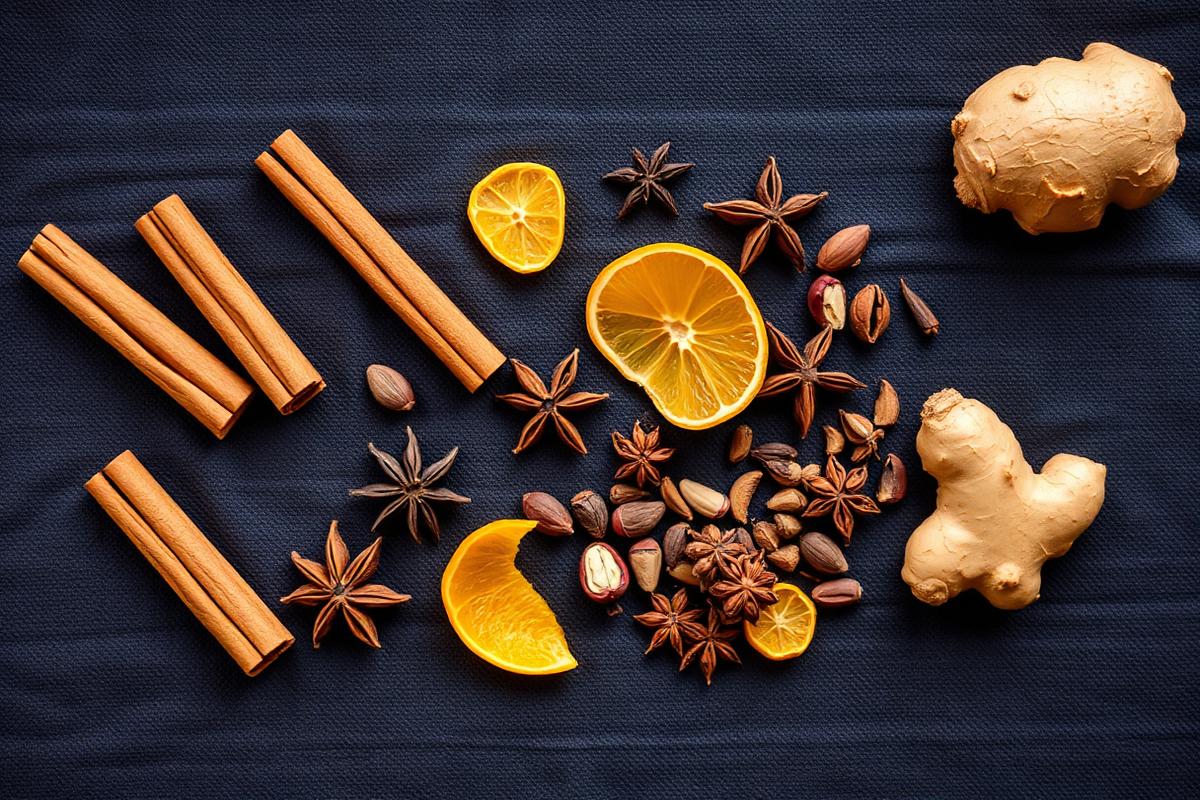
The spices define the glögg's personality – see our full spice guide for a detailed overview. Here you can go classic, fresh, berry, sweet, liquorice-like, or more grown-up and spicy.
Classic glögg spices:
- cinnamon sticks
- cardamom pods
- whole cloves
- dried ginger
- bitter orange peel
Other spices and flavourings:
- star anise, orange peel, lemon, vanilla
- nutmeg, allspice, black pepper, saffron
- liquorice root, juniper berries, rosemary, chili
- cacao, coffee
Why are spices needed? Spices give the glögg its aroma, flavour and character. Without spices it's more like a fermented fruit wine – with spices it becomes glögg. Cinnamon gives warmth, cardamom aromatic spice, cloves a classic Christmas scent, ginger a light heat, and bitter orange a bitter citrus depth.
Simple formula for homemade glögg
- 5 litres of your chosen liquid
- 5 peeled and sliced potatoes
- 50 g yeast
- 2 kg granulated sugar
- about 500 g fruit or dried fruit
- spices to taste
Method
- Mix everything in a clean 10-litre bucket.
- Stir thoroughly so the sugar dissolves.
- Cover the bucket with plastic film and poke small air holes in it.
- Leave at room temperature for at least three weeks. The glögg should sit undisturbed and not be moved during this time.
- Strain the glögg and let it stand for another week to clear.
- Bottle into clean bottles, ideally glass. Make sure not to pick up the sediment.
- Store cool until ready to drink.
How to build different types of glögg
Classic glögg
Choose small beer as the base, raisins as the fruit, and spice with cinnamon, cardamom, cloves, ginger and preferably bitter orange peel. See the recipe for classic fermented glögg.
Fruity light glögg
Choose apple must or apple juice as the base. Add raisins and dried apples. Spice with cinnamon, cardamom, ginger and bitter orange. See apple glögg.
Dark berry glögg
Choose cranberry juice or blackcurrant juice as the base. Use raisins or dried berries. Spice with cinnamon, cloves, cardamom, ginger and bitter orange. See cranberry glögg or blackcurrant glögg.
Sweet and spicy Christmas glögg
Choose julmust as the base. Use raisins and spice with cinnamon, cloves, cardamom, ginger, bitter orange and a little star anise. See julmust glögg.
Fresh citrus glögg
Choose water as the base and build the flavour with lemon, dried apples and spices. Star anise, ginger, cardamom and bitter orange work especially well. See lemon and liquorice glögg.